
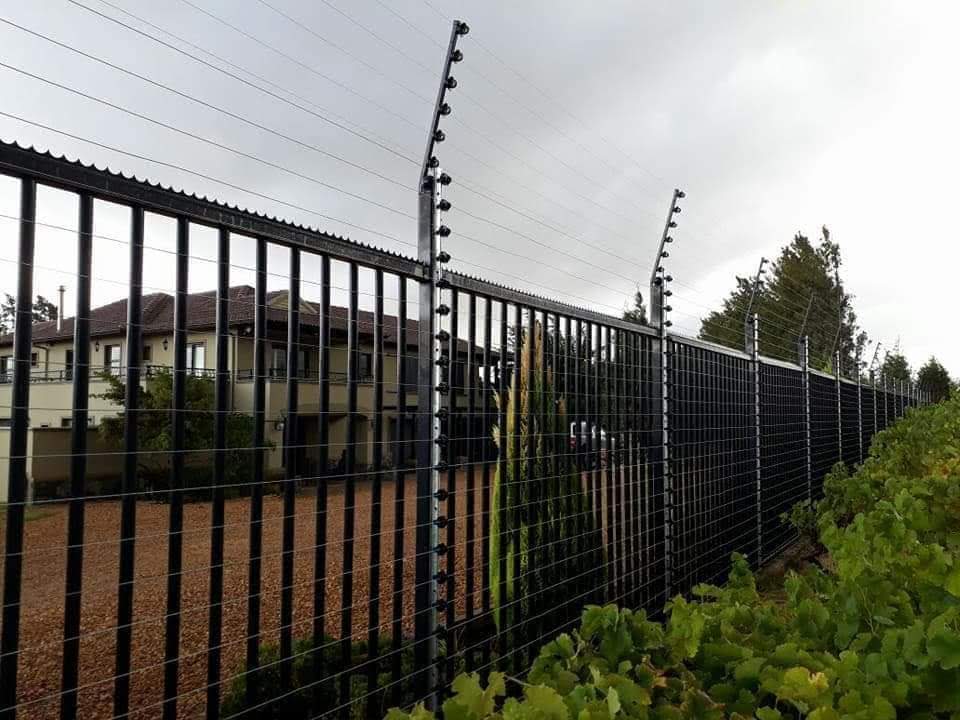
An electric fence installation should be planned around the specific boundary, property use and access requirements of the site. A clear brief before a technician arrives makes it easier to discuss a practical solution and identify any areas that need special consideration.
Walk the perimeter and identify walls, existing fencing, gates, changes in ground level, vegetation and areas where access differs from the rest of the property. A boundary may appear straightforward from one side but contain practical challenges such as narrow sections, uneven surfaces or structures that affect the installation approach.
Homes, businesses, complexes and industrial properties have different operational needs. Consider who needs access, which parts of the boundary are most exposed, and where maintenance access will be possible. This context helps determine a layout that supports security without making normal property use unnecessarily difficult.
Plants and branches can grow into a fence line over time. Identifying areas that may need routine trimming helps keep the installation practical after the first day of work. It is also worth discussing how the system will be tested, monitored and maintained once it is in place.
Before a site visit, it helps to prepare the property address, an outline of the boundary, photographs of unusual sections and any information about existing security equipment. You do not need a technical specification before making contact; the aim is simply to give the technician enough context to plan an informed assessment.
Cape Smart Automation provides electric fence installation, repairs and maintenance for Cape Town properties. A site assessment can help clarify practical placement, boundary challenges, existing systems and the work needed to keep the installation reliable. Visit the electric fence service page to request an assessment or a no-obligation quote.

