
Cape Smart Automation provides gate automation assistance for Claremont enquiries relating to a motor fault, a gate that is not moving normally, a planned replacement or a new automated entrance. A useful first step is to identify whether the gate slides or swings, what it is doing now and which equipment is already fitted.
Gate motor fault checks in Claremont
A gate can behave differently for many reasons. It may stop partway, operate inconsistently, respond to some remotes but not others, or make an unusual movement or noise. The motor is only one part of the system. The gate structure, track, rollers or hinges, receiver, battery, safety devices and wiring may all be relevant to a repair discussion. Describing the symptoms in an enquiry helps keep the assessment focused.
The gate’s movement matters
Before a motor is repaired or changed, the physical gate should be considered. A sliding gate requires suitable travel and supporting hardware, while a swing gate has its own hinge and opening requirements. Resistance, alignment and worn components can affect gate automation. Cape Smart Automation can discuss the motor and the moving gate as one working system rather than treating a fault as a generic motor issue.
Installation, replacement and controls
A new motor installation, replacing older equipment and updating entry controls are different kinds of requests. Where a change is being planned, state the gate type, whether automation already exists and how the entrance is intended to be used. Remote controls, receivers, safety beams, access controls and intercom requirements can also form part of the conversation.
Claremont gate-motor project
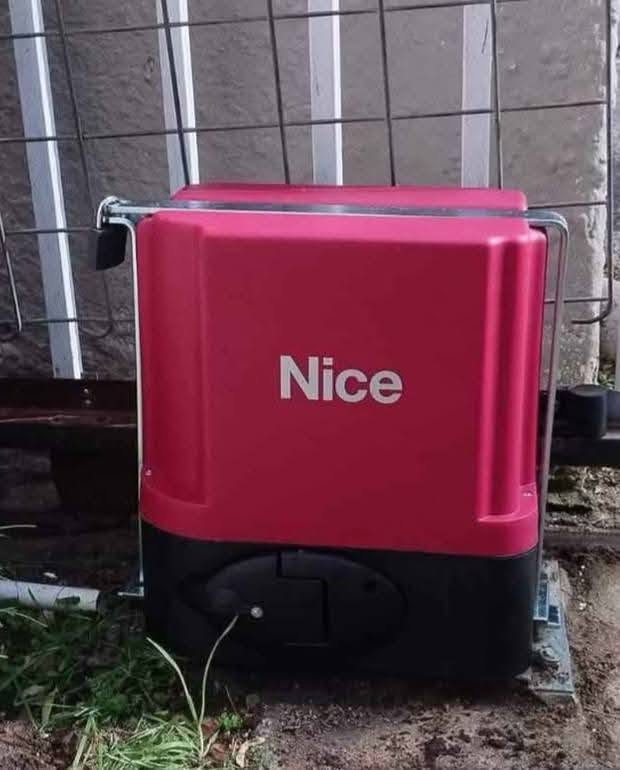
Discuss gate automation in Claremont
For a repair or quotation enquiry, include the gate type, the current equipment where known and the issue or change being considered. You can also visit the main Gate Automation service, Areas We Serve or the contact page.
Repair and replacement work that can be discussed
A Claremont gate-automation enquiry may involve fault-finding for a gate motor, a motor replacement, a remote or receiver problem, a safety-beam issue or a battery that needs attention. When new gate motor installation is being planned, the discussion can consider sliding gate automation or swing gate automation, together with any compatible access-control or intercom requirement for the entrance.
Claremont gate automation FAQs
Why can a gate motor stop before the gate has completed its movement?
The motor, power, safety equipment and the physical movement of the gate can all be relevant. Describe when the stopping happens and whether the gate can move manually.
Can a gate automation repair include remote or receiver problems?
Yes. State whether the issue affects one remote, every remote or the whole gate system.
Can an older automated gate be updated?
A replacement or upgrade can be discussed after considering the gate, existing equipment and desired access method.
Use the Fault History to Guide the First Check
When an automated gate changes the way it operates, a short history can be helpful. Explain whether the problem appeared suddenly or gradually, what the gate was doing immediately before the concern, and whether it now fails at a consistent point in its movement. Include details such as unusual sounds, a gate that reverses, a control that works only sometimes or a change after work near the entrance. These facts do not diagnose the fault, but they help define the questions for a proper assessment.
A gate system includes the moving gate, the motor, controls, power and safety equipment. Treating all of those parts as connected allows the discussion to remain practical. If the gate is physically obstructed or visibly damaged, avoid forcing it through another cycle and share the observation instead.
Choose the Scope That Matches the Claremont Requirement
A local enquiry may concern a specific repair, a replacement motor, a planned upgrade or an entrance that has not yet been automated. Each has a different starting point. A repair focuses on current symptoms and existing equipment; an upgrade focuses on what needs to change; and a new installation focuses on the gate’s movement, structure and intended operation.
Where a visitor-entry device or access control is part of the plan, note how it should work with the gate rather than treating it as a separate issue. The main Gate Automation page and Areas We Serve give related service information.

