
An electric-fence enquiry in Kuils River may begin with a system fault, a change in the way the fence performs or a plan for a new boundary installation. Cape Smart Automation can discuss the symptoms and current equipment first, then identify whether the request concerns checking the existing circuit, replacing a component, maintaining the fence or planning new work.
Start with the fault
Useful observations include whether the energizer indicates a concern, which fence section is affected, whether there is visible damage, and whether the issue is constant or intermittent. A low reading, frequent alerts, damage after an external event or an unresponsive system can all involve different parts of an electric-fence setup. Describing the behaviour is more useful than assuming the same repair applies everywhere.
Energizer, wiring and earth-system checks
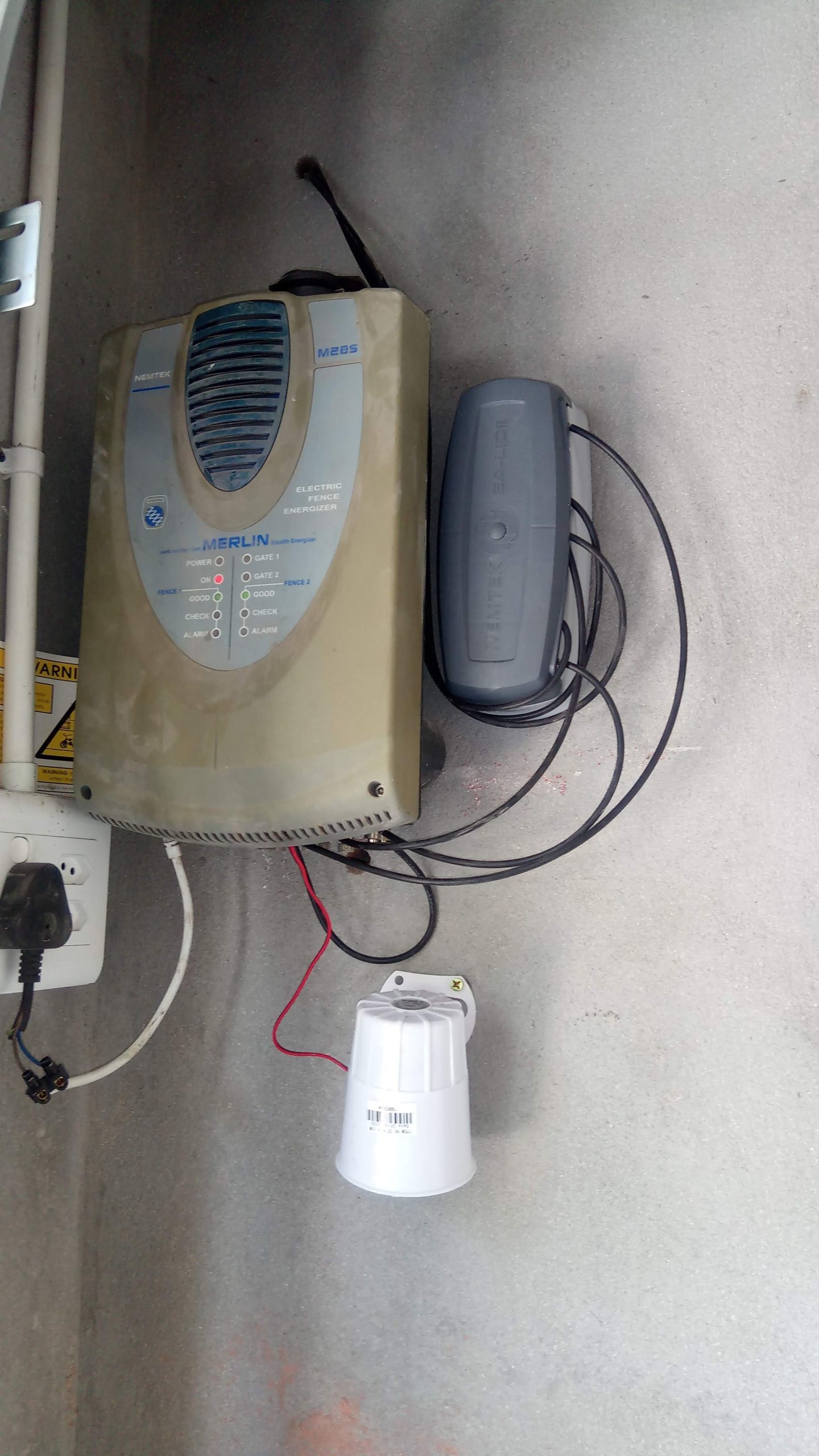
The energizer provides only part of the picture. Conductors, insulators, fence lines, gate connections, wiring, earth components, batteries and power supply may be relevant to the fence circuit. Where a system is connected to compatible security equipment, that should be mentioned too. A practical check can consider the equipment together with the state of the boundary.
Repair work and component replacement
A repair request can range from an isolated component to a wider fault-finding discussion. If a part has visible wear or damage, note its position on the boundary. For an older system, a replacement or update may be considered once the existing equipment and intended use have been discussed.
Planning a new Kuils River system
For a new installation, explain the boundary type, access points and approximate fence line. The main Electric Fence page gives broader service information, while Areas We Serve sets out local coverage. Use the Contact and Quote page to explain the Kuils River fence issue or planned installation.
Reporting a fault without guessing the cause
Electric-fence problems can be caused by more than one part of the system, and the visible symptom does not always identify the source. An intermittent alarm, a warning display, a damaged fence section or a change after maintenance near the boundary are all useful details to report. A structured inspection can then focus on the relevant energizer, wiring, earthing, fence line, gate section or connection point as appropriate.
From inspection to a defined work scope
Once the affected area has been reviewed, the work can be discussed in practical terms. That may involve restoring a specific section, replacing deteriorated components, adjusting a gate transition, or planning a new system around the property boundary. The aim is to describe what needs attention clearly, so the quotation relates to the identified work rather than a generic package.
Kuils River electric-fence FAQs
What can cause an electric fence to show a low reading?
The fence circuit, conductors, insulators, earth system, gate sections, vegetation, power and energizer can all be relevant.
Can an existing system be repaired if the original installer is unknown?
The current equipment and fault symptoms can be discussed before deciding on the appropriate work.
What is useful for planning a new fence?
Identify the boundary material, sections to cover, gates or access points and whether other equipment is already installed.
Trace the Pattern Before Selecting a Repair Scope
An electric-fence fault can be easier to discuss when the observed pattern is recorded. Note what the energizer display or connected indication shows, whether the concern affects the whole boundary or one section, and whether it is consistent or intermittent. Visible damage, vegetation contact, a changed gate transition, a power concern or an aged component can be mentioned without assuming which one is responsible.
The purpose of these details is to guide a structured check of the relevant fence line, conductors, insulators, connections, gate sections, earth system and energizer arrangement. The right repair scope depends on the condition found at the property. A particular reading or symptom should not be treated as a confirmed diagnosis before the accessible installation is assessed.
From an Inspection to a Defined Next Step
Once the affected part of a Kuils River electric fence has been identified, the conversation can move from a general fault report to a specific work requirement. That may mean restoring an isolated section, addressing more than one deteriorated component, discussing a changed boundary run or planning a new installation. The key is to match the proposed work to the real fence circuit and boundary layout.
Read the main Electric Fence page for the broader service overview and Areas We Serve for coverage information before you contact Cape Smart Automation.

