
For Fish Hoek electric-fence requirements, Cape Smart Automation can discuss new installation planning, a repair issue, maintenance or equipment that may need to be reviewed. The first step is not to assume the same answer for every boundary; it is to understand the property, the fence line and what the owner has observed.
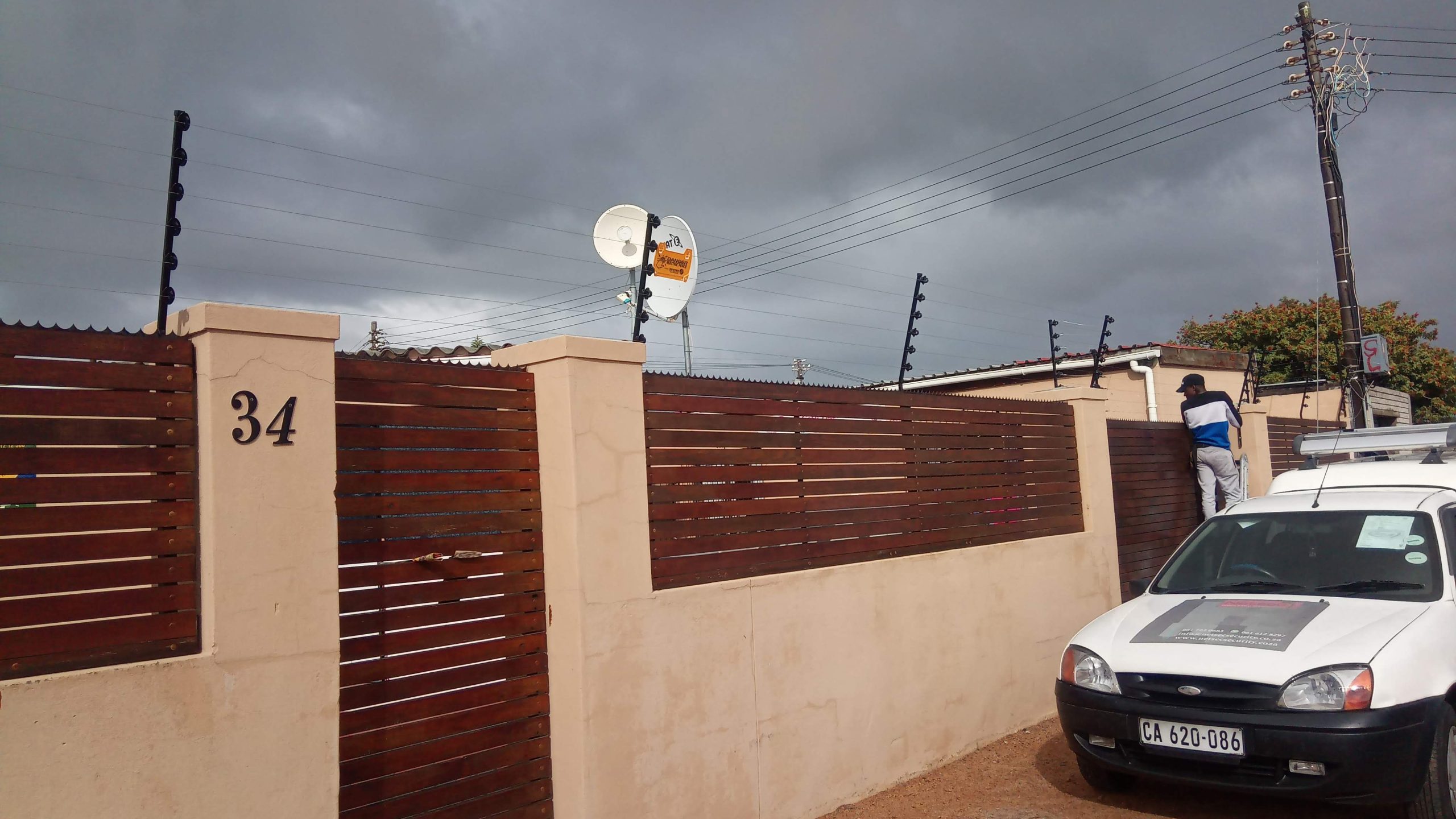
Keeping perimeter equipment under review
Electric-fence equipment is part of a larger boundary arrangement. The fence line, conductors, insulators, brackets, gates, earthing, battery and energizer can all be relevant to normal operation. A maintenance discussion can consider the present condition of those parts and whether any area of the perimeter has changed.
Installation and repair requirements
A new fence enquiry can start with the boundary materials, the length or sections to be considered and the position of access points. A repair enquiry may begin with a visible problem or a change in performance. Keeping these two types of request separate helps ensure the right questions are asked at the start.
Visual fault observations
You do not need technical terminology to explain a concern. Note whether wires appear damaged, whether vegetation is close to the fence, whether an insulator or gate section is affected, and whether the energizer or battery appears to be involved. These observations can provide a useful basis for discussing the Fence system and any required visit.
Preparing an effective Fish Hoek enquiry
Include the property type, the relevant boundary section and whether you are considering new work, repairs, maintenance or an upgrade. Review the main Electric Fence service page for further details, see Areas We Serve for service coverage, or use the Contact and Quote page to arrange a Fish Hoek fence discussion.
Start with the accessible boundary sections
Before arranging Electric Fence work, look at the boundary sections that can be seen safely from the property. A loose wire, damaged bracket, vegetation contact, an altered gate section or a visible change at a connection point can be worth noting. These observations do not replace an inspection, but they provide useful context when discussing whether the requirement is maintenance, a repair or new installation planning.
Maintenance observations between visits
Perimeter equipment is exposed to ordinary property activity and changing outdoor conditions. If an existing system has had work carried out nearby, or if a wall, gate or garden section has changed, it may be sensible to mention that when requesting a review. Keeping the discussion specific to the affected areas makes it easier to consider the next practical step without overstating what the equipment needs.
Fish Hoek electric-fence FAQs
Are photographs useful for an electric-fence repair enquiry?
Photos can help show a visible issue or boundary section, but a short description of the concern is sufficient to begin.
Can maintenance be discussed where there is no current fault?
Yes. A maintenance request can focus on the current condition of perimeter equipment and any areas that may need attention.
What should I identify for a new electric-fence installation?
Describe the boundary materials, the access points and the sections that need to be considered.
Use Routine Observation to Define the Type of Work
A useful electric-fence request can begin with routine observations rather than a technical diagnosis. Property owners may see a loose wire, vegetation close to a conductor, a damaged fixing, a changed gate section or an unexpected indication from the energizer. Each observation can help distinguish a maintenance review, a focused repair or a discussion about adding or changing part of a boundary system.
For Fish Hoek properties with an existing fence, it is helpful to note whether the concern is limited to one area or affects the whole perimeter. The fence line, components, connections, gate transitions, earth system and energizer should be considered together, so that the scope of work reflects the actual circuit rather than only the most visible feature.
Plan New Work From the Boundary Outward
For a new electric-fence installation, start with the boundary material, access points and sections to be considered. The fence route can then be discussed in relation to suitable fixing positions, relevant equipment and the practical way the property is used. Photographs are optional, but they may be useful for a visible section if they can be taken safely.
Review the main Electric Fence service and Areas We Serve before you send the property details through the contact page.

